
Introduction
Timber pest infestations are one of the most serious hidden threats to wooden structures, furniture, and buildings. Pests such as termites, woodworms, and wood borers can remain inside timber for long periods without being noticed, slowly weakening the structure from within. Early detection is very important because once damage becomes severe, repair costs increase significantly and structural safety may be compromised.
Modern timber protection solutions, including those provided by Shashel, focus on identifying and treating these infestations at an early stage to prevent long-term damage.visit for more details Shashel
1. Small Holes on Wood Surfaces
One of the most visible signs of timber pest infestation is the appearance of tiny holes on wooden surfaces. These are usually exit holes created by adult insects like woodworms or borers when they leave the wood.
What to look for:
- Round or pin-sized holes
- Multiple holes clustered in one area
- Fresh holes with fine edges
These holes indicate that insects are active or have recently been active inside the wood.
2. Fine Powder-Like Dust (Frass)
Another common sign is the presence of fine powder or dust around wooden furniture or structures. This dust, known as frass, is actually waste produced by insects feeding inside the timber.
Signs include:
- Sawdust-like material near furniture legs or beams
- Dust falling from small holes
- Accumulation under wooden items
Frass is a strong indicator of active internal infestation.
3. Hollow Sound When Tapping Wood
Healthy wood produces a solid sound when tapped, while infested wood often sounds hollow due to internal tunneling.
You may notice:
- Weak or empty sound in beams or planks
- Irregular sound across the same wooden surface
- Reduced structural firmness
This is often a sign of advanced internal damage.
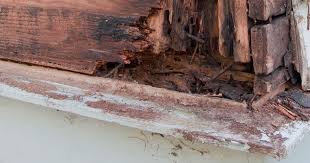
4. Cracked or Weak Wood Structure
As pests feed inside timber, the internal structure becomes weak and brittle. Over time, visible cracks may start to appear.
Common signs:
- Surface splitting or cracking
- Fragile wooden edges
- Breaking or crumbling sections
This indicates that the infestation has progressed significantly.
5. Mud Tubes on Walls or Beams
Termites often build mud tubes to travel safely between their nest and food source. These tubes are usually found on walls, foundations, or wooden beams.
Look for:
- Thin brown or muddy lines
- Tubes connecting soil to wood
- Moist or hardened soil structures
These are strong indicators of termite activity.
6. Blistering or Bubbling Wood Surface
In some cases, pests cause moisture buildup inside wood, leading to surface changes such as blistering or bubbling.
Signs include:
- Raised or uneven wood surfaces
- Paint or polish appearing distorted
- Soft areas under the surface
This often indicates hidden internal damage.
7. Difficulty in Opening Doors or Windows
When timber becomes infested and damaged, it may swell or lose its shape, making doors and windows difficult to operate.
You may notice:
- Sticking or jammed doors
- Misaligned frames
- Reduced smooth movement
This is often due to internal weakening of the wood.
8. Presence of Live Insects
In some cases, you may directly see insects near or inside wooden structures.
Signs include:
- Small beetles around wooden furniture
- Termites near damp areas
- Flying insects near light sources
This usually indicates a nearby or active infestation source.
9. Soft or Brittle Wood
Infested timber often becomes soft in some areas and brittle in others due to uneven internal damage.
Indicators include:
- Wood breaking easily under pressure
- Soft spots on beams or furniture
- Uneven texture in timber
This is a serious sign of structural weakness.
10. Paint or Surface Damage
Timber pests can indirectly affect surface finishes by damaging the wood underneath.
Signs include:
- Peeling paint or varnish
- Uneven surface texture
- Dark patches or discoloration
These signs often appear when internal damage becomes severe.
Importance of Early Detection
Early identification of timber pest infestation helps prevent:
- Structural failure
- Expensive repairs
- Spread of infestation to other areas
- Loss of furniture and property value
Regular inspection is essential, especially in older wooden buildings.
Role of Professional Treatment
Once signs of infestation are detected, professional treatment is necessary to eliminate pests completely. Surface cleaning is not enough because insects live deep inside wood.
Shashel provides advanced timber protection solutions that:
- Target hidden insects inside wood
- Eliminate termites and woodworms
- Strengthen weakened timber
- Prevent future infestations
Conclusion
Timber pest infestations often start silently but can cause severe damage if ignored. Signs such as small holes, dust, hollow sounds, cracks, and surface changes should never be overlooked.
By identifying these early warning signs and using advanced solutions from Shashel, homeowners and property managers can protect wooden structures, maintain safety, and extend the life of valuable timber.