The rain cleared just before dusk on August 9, 2025, casting a golden hue over Thimphu’s valleys. From a hilltop viewpoint, the landscape unfolded like a living canvas—dense forests blanketing slopes, rivers carving paths through the terrain, and distant peaks standing sentinel. Bhutan, this compact Himalayan nation, has long embraced a philosophy that places the environment at its core, weaving conservation into the fabric of daily life. Known for its carbon-negative status, the kingdom absorbs more emissions than it produces, a feat achieved through deliberate policies and a deep cultural reverence for nature. As the world grapples with climate shifts, Bhutan’s approach offers a blueprint, blending ancient wisdom with modern strategies to protect its wild spaces and ensure a viable future.
A Constitution Rooted in Nature
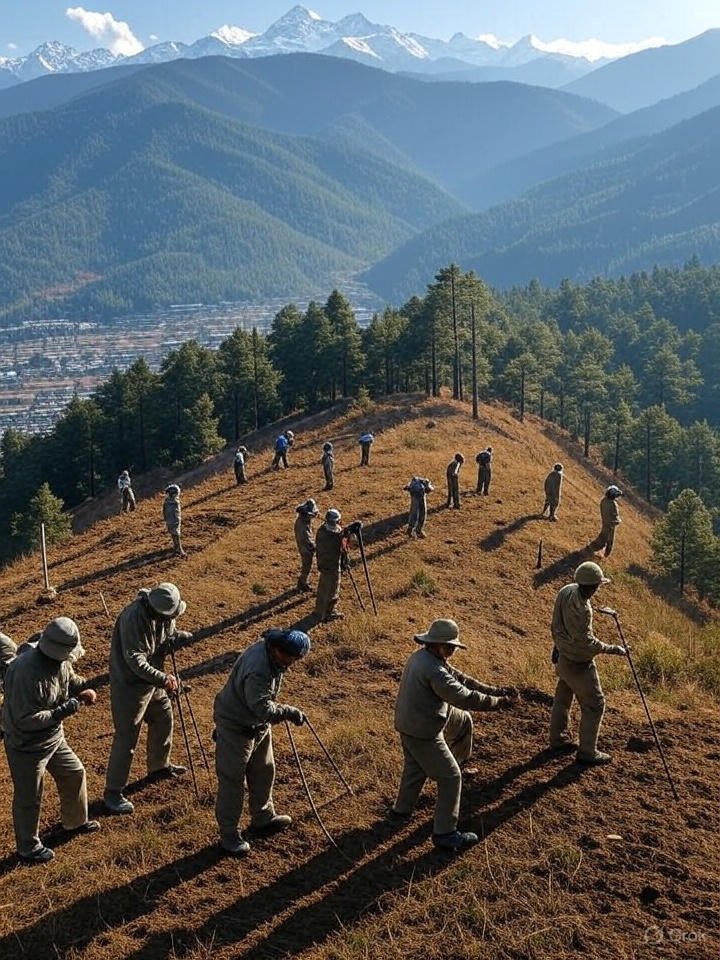
Bhutan’s commitment starts at the top. The 2008 constitution mandates that 60% of the land remain forested—a figure the country exceeds at 71%. This isn’t just policy; it’s a promise to generations. In villages like Punakha, locals like Ugyen Tshering, 55, patrol community forests, planting saplings and monitoring wildlife. “These trees are our guardians,” he says, his hands calloused from years of work. The Green South Asia Initiative, signed at the August Thimphu Summit, extends this ethos regionally, pledging 10 million trees across borders by 2030. India chipped in $50 million, while Nepal shared saplings, turning a national effort into a shared shield against warming.
This forest cover isn’t accidental. The Royal Society for Protection of Nature, founded in 1987, oversees 20 protected areas, covering half the country. In the Jigme Singye Wangchuck National Park, rangers track snow leopards and tigers using camera traps, logging 50 sightings in 2025 alone. Tourism fees—$65 daily—fund these efforts, generating $60 million last year for patrols and anti-poaching gear. Yet, challenges persist. Poachers from neighboring regions target musk deer, prompting a $200,000 drone program to scan borders, with 15 arrests in the first half of 2025.
Rivers and Energy Harmony
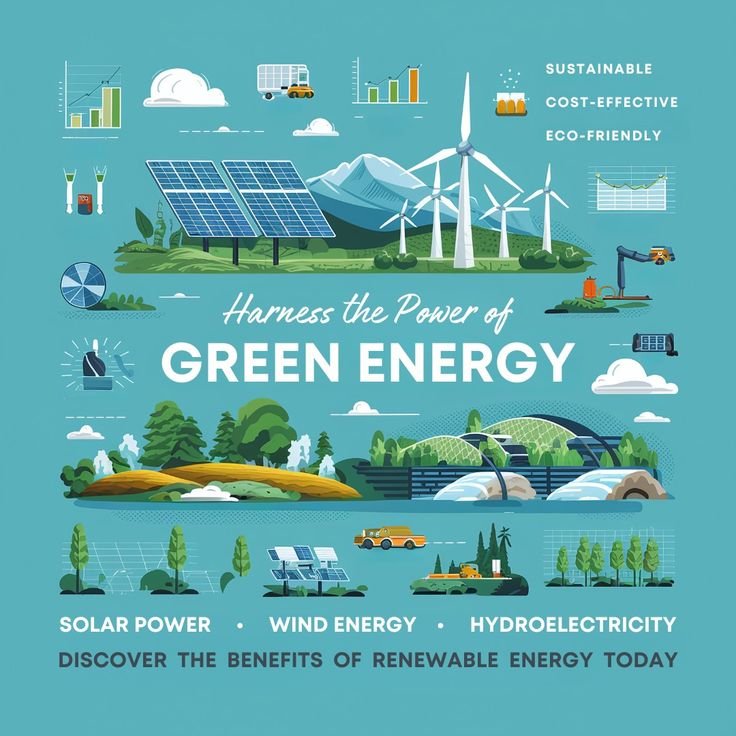
Bhutan’s rivers, fed by melting glaciers, power its economy and ecology. Hydropower supplies 99% of electricity, exporting $700 million worth in 2024, but the kingdom treads lightly. The Sunkosh Reservoir, nearing completion in Dagana, includes fish ladders and reforestation of 3,000 hectares to offset flooding 2,000 acres. “We build with care,” says engineer Karma Dorji, 38, overseeing the $1.5 billion project. The Laya microgrid, operational since May 2025, powers 50 homes with solar-hydropower hybrids, slashing carbon by 25 tons yearly and firewood use by 60%.
Glacial melt poses a threat. Since 1980, Bhutan lost 10% of its glaciers, raising flood risks. The 2023 Lunana outburst displaced 200 families, leading to a $10 million early-warning system funded by the UN. In Punakha, farmer Sonam Choden, 48, uses soil sensors to conserve water, her yields up 15% while usage down 10%. The Green South Asia Initiative shares these tools with Nepal and Bangladesh, fostering a regional buffer against drying rivers.
Wildlife and Community Bonds
Bhutan’s biodiversity thrives in harmony with people. The country hosts 5,600 plant species and 200 mammals, including the elusive Bengal tiger. The Manas Wildlife Sanctuary, a UNESCO site, saw tiger numbers climb to 20 in 2025, thanks to community patrols. Villagers like Pema Tshering, 45, from Trashigang, guide eco-tours, earning $200 monthly while educating 500 visitors yearly. “Animals are family,” he says, tracking paw prints near his fields.
Human-wildlife conflict simmers. Elephants raid crops in Samtse, damaging $100,000 worth in 2024. The government’s $500,000 compensation fund helps, but electric fences—installed in 50 villages—cut incidents 40%. Black-necked cranes, revered as symbols of longevity, winter in Phobjikha, their arrival celebrated with festivals. The RSPB’s crane center, opened in 2024, draws 1,000 birdwatchers, adding $50,000 to local coffers while funding habitat protection.
Urban Green Shifts
Thimphu, with 100,000 residents, grapples with growth. Traffic doubled since 2010, prompting a $5 million electric bus fleet in 2025, cutting emissions 20%. Waste management shines—the city’s zero-waste app, launched in 2024, tracks recycling for 30,000 households, diverting 15 tons monthly from landfills. In markets, vendors like Dorji Wangchuk, 55, use biodegradable bags, his sales steady at $300 weekly. “Clean streets mean happy hearts,” he quips.
Air quality remains pristine, but construction dust from Sunkosh stirs concerns. A $1 million air monitor network, installed in 2025, logs data for public dashboards, empowering residents. The capital’s weekend car-free zone, started in 2023, draws 5,000 walkers, fostering community while trimming pollution 10%.
Climate Action on the Global Stage
Bhutan leads by example. At the 2023 climate summit, Queen Jetsun Pema’s speech highlighted the kingdom’s carbon-negative feats, inspiring $50 million in pledges. The Thimphu Summit’s Green South Asia Initiative, with its tree-planting goal, ties neighbors in a web of protection. Domestically, the $20 million adaptation fund, drawn from hydropower, builds flood barriers in Lunana, safeguarding 500 homes.
Education embeds this ethos. Schools teach environmental stewardship, with 300 students planting 1,000 trees in 2025. Youth like Tashi Pem, 16, from Bumthang, runs a plastic cleanup club, collecting 5 tons yearly. “It’s our duty,” she says, her group’s efforts featured in a national campaign.
Hurdles and Hopes
Challenges abound. Warming twice the global average threatens glaciers, with 10% loss since 1980. The 2023 drought cut hydropower 15%, straining finances—a $15 million solar push aims to buffer this. Poaching and conflict test resolve, but community funds, $500,000 in 2025, build fences and awareness.
Hope springs from innovation. The Laya microgrid’s success inspires replicas, while drone patrols expand to 50 sites by 2026. Tourism’s $100 million yearly influx, capped at 250,000 visitors, funds green projects without overload. In Punakha, Ugyen Tshering plants another sapling, his eyes on the peaks. “We guard what guards us.”
As night fell over Thimphu, stars pierced the sky, a reminder of Bhutan’s clear air. This nation’s green legacy isn’t a slogan—it’s action, rooted in respect for the land that sustains it. As rivers flow and forests stand, Bhutan shows the world that protecting the environment isn’t a burden; it’s the path to enduring joy.